

The Benefits of a Stationary Cycling Bike
A stationary bike is an exercise bike with an upright seat, pedals and a handlebar which are arranged as the bicycle. While cycling is mostly a lower-body exercise but it also helps strengthen muscles in the upper body and core.
All cardio exercises help strengthen the heart, lungs and burns calories. Running, biking or using an elliptical machine all focus on different muscle groups, and each has its own advantages.
Improved Cardiovascular Health
If you're looking to improve your cardiovascular health, cycling is an excellent option. It's a low impact exercise that strengthens muscles and bones, while burning calories. This kind of exercise is also easy on your joints, making it an ideal choice for people who have joint issues. Regular cycling can help burn fat, lower blood pressure, and decrease the dangers of triglycerides.
A stationary bike is an exercise machine that looks like a bicycle but without wheels. It can be a stand-alone device or connected to bicycle rollers or a trainer. Even on bad weather days, you can use stationary bikes to do your daily cardio exercise. You can also choose to exercise in other ways, such as running up hills, swimming or using an elliptical.
Cycling on a stationary bike is a an excellent cardio workout which raises your heart rate and improves your breathing. It can help you lose weight and burn calories. However, it is important to think about your fitness goals prior to deciding to purchase a stationary bike. The ideal goal is to cycle for 30 minutes, at moderate pace. To get the most out of your efforts you can add intervals of intense pedaling into your routine.
If visit the website plan on purchasing stationary bikes, search for one that comes with various resistance levels so that you can gradually increase the intensity of your workout. You can choose a stationary bike that comes with magnetic or friction resistance. Friction-resistant spin bikes permit users to micro-adjust their resistance level, whereas magnetic resistance models typically have numbered levels that you can't change.
Recumbent stationary bikes place you in an upright position, which is good for your lower back. This type of bike can be utilized by people suffering from joint pain or back pain. It can also help to burn more calories than an upright bike as it is more difficult to pedal. If you're unsure whether an upright or recumbent bike is the best exercise for your body, talk to an expert in physical therapy.
Muscles are strengthened
Stationary cycling improves the health of your cardiovascular system and strengthens muscles. Cycling indoors strengthens the quadriceps, hip flexors and adductors. It also aids the calves and hamstrings. You can burn as much as 600 calories in an hour, depending on how intense your workout is.
All types of cardio exercise can aid in building leg strength, but cycling is especially good for your legs and lower body because it works your hamstrings, quads, and calves. Based on the type of bike you pick it could also help strengthen your core and back muscles, as well as your upper body including your biceps and triceps.
Some indoor bikes come with handlebars attached to the pedals, which allows you to work your upper body, too. They can also be adjusted for resistance, so you can increase the intensity of your exercise. Certain stationary bikes have mechanisms that let you pedal backwards. This exercise is a way to work muscles that aren't utilized when you are pedaling forward.
Both recumbent and upright stationary bicycles are excellent choices for those looking to build fitness without straining joints. Both kinds of exercise bikes promote active hip extension and knee flexion. they also engage the tibialis posterior, which is a thin muscle that runs through the inside of your shin's front. The tibialis posterior assists in dorsiflexing the ankle, which means it is responsible for bringing your foot to the ceiling.
Both upright and recumbent bicycles encourage isometric muscle engagement, which results in muscles contracting, but not moving. This type of exercise helps build hip and leg strength more effectively than other kinds of workouts that promote dynamic movement.
A study published in the journal Acta Physiologica found that both the hamstrings and quads in healthy adults who used stationary bikes were stronger than those who did not take part. The study examined the electromyography (EMG) intensities of these muscles in healthy older and middle-aged adults as they completed a cycling workout with varying resistances to pedaling. The EMG results revealed that the higher the resistance a cyclist applied to pedal, the more of the two major muscles were activated.
Reduce Stress
Cycling is a great method to relieve anxiety and stress. Exercise releases endorphins which are happy hormones that boost calm and a sense of well-being. The rhythmic movement of pedaling helps calm your mind and reduce emotions like tension and anger.
Integrating regular cycling into your daily routine can boost your mental health, particularly when you are taking part in a class with a group, such as spin. These classes will require you to push beyond your limits in order to keep up with your instructor and the other participants. But, this can be a great way to develop mental toughness and confidence.
The upright bike is the most well-known type of stationary bicycle . It is similar to an ordinary bike, but with the pedals positioned underneath your body. This kind of bike is suitable for people with back or knee problems because it puts less stress on joints and lower body. If you're looking for a more relaxed ride that doesn't put too much stress on your body, a recumbent bike might be the better option for you. Recumbent bikes allow you to sit in a more comfortable position and has seats that are away from the pedals. This kind of bike is perfect for those suffering from back pain and other conditions such as arthritis.
No matter what kind of bike you are riding, cycling is a low-impact cardio exercise that can improve your fitness. Before you embark on your bike, speak to your doctor to make sure it's suitable for you. If you're brand new to exercising, be sure to begin slow and work your way into more intense sessions.
Longevity
The tempo of a stationary bicycle helps strengthen knees, the surrounding muscles and eases joint pain. Physical therapists suggest cycling to those recovering from surgery or injury. Regular cardiovascular exercise is essential to a healthy heart and the ability to sweat without putting too much stress on the joints makes cycling a great option.
Think about the space you have and your fitness goals as well as your level of experience when deciding on a stationary bicycle for your home. Recumbent bikes will take more space than an upright bike, and will cost more. However the price generally indicates better quality and features, like adjustable resistance.
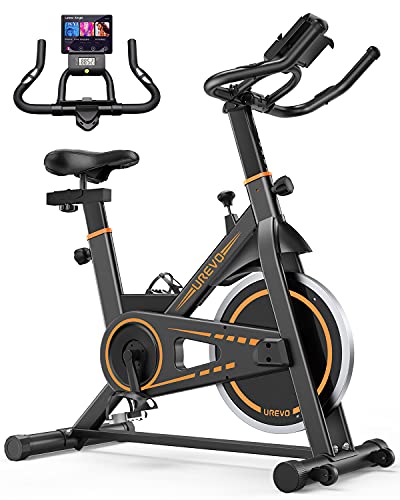
Choose a bike that has an adjustable seat if you want to get the most out of your exercise. The distance between your feet and the pedals should be just right for you so that you are able to reach the handlebars without straining. The ideal is for the handlebars to be approximately a foot apart. The seat should be placed close to pedals so that your toes will be just above them as you sit down.
You can burn 600 calories per hour on a stationary bike dependent on the weight you carry and how hard it is that you push yourself. This is a great method to shed weight and build muscle. It's also crucial to eat a balanced diet.
Cycling can also improve leg strength and balance, which reduces the risk of injuries and falls. In fact, studies have shown that older adults who regularly bike are 22 percent less likely from knee osteoarthritis than those who don't.
The primary muscle groups that are worked through cycling are the hips, quads, flexors, adductors and hamstrings and glutes. Knowing which muscles are being strengthened by any exercise is crucial to ensure that your workout is safe and effective, especially if you have arthritis. Cycling releases endorphins which are the body's natural feeling-good chemical, promoting mental health and wellbeing.